
States of Matter STEM Challenge: Design a Toy Using a Solid, Liquid, and Gas
Get your students ready for an exciting states of matter STEM challenge! This science activity asks students to think like an engineer to design a toy built with at least one solid, one liquid, and one gas. It’s a fantastic way to combine creativity and core science standards to make learning about the states and properties of matter tangible and fun!
To address 2-PS1-2 and K-2-ETS1-2 in second grade, I designed an investigation for students to analyze data obtained from testing different materials to determine which materials have the properties that are best suited for an intended purpose. Students were required to develop a simple sketch, drawing, or in this case a physical model to illustrate how the shape of an object helps it function.

The objective of this states of matter STEM challenge is for students to investigate how the properties of solids, liquids, and gases make them useful.
States of Matter STEM Challenge Procedure
Show students the videos, How Toys Are Made or Where Toys Come From to set the purpose and provide context for the investigation. Tell students that they are going to be given a challenge. The challenge is to design and build a toy using at least one solid, one liquid, and one gas.
How can you use a solid, a liquid, and a gas to make a toy?
Explain to students that when designing a solution to a solve a problem or meet a specific challenge, engineers begin with a question. Students will answer the question, “How can I design a toy using a solid, a liquid, and a gas?”
Students should then create a plan followed by a design to build their toys (models). Creating a plan is a key step in the engineering design process.

Choosing Materials for their Properties
To start the STEM challenge, students need to know what materials they can use. Provide students with, or ask them to bring from home, a variety of items and categorize them. Ask students to think about which materials are:
- Solids: Do they have a fixed shape?
- Liquids: Do they flow and take the shape of their container?
- Gases: Do they spread out to fill their container?
Some materials might fit into more than one category depending on how you use them. For example, a balloon is a solid, but when you blow it up, the air inside is a gas.
Example Materials to Use
- Solids: cardboard, paper, pipe cleaners, any craft supplies
- Liquids: paint, water, glue
- Gasses: bubble wrap, balloons, sponges, pool noodles

Before building the designs ask your students to explore their materials. Allow them time to touch, move, and think about the properties of each item. Ask them to think about how they can combine a solid, a liquid, and a gas to make a toy that works. Asks them to think about not only the properties of each item, including its shape, and how its properties and shape will help their toy function.
Build, Test and Evaluate
Once students have finalized their designs it’s time to build their toys. Explain to students that when they build their toy, they are building a model of their design.
The next step in the process is to test their toys and evaluate their designs. Ask students to think about and answer questions like:
- Did your toy work the way you planned?
- How did you use each state of matter in your design?
- What was the purpose of the solid, liquid, and gas materials?

These questions can be asked and discussed with a partner or students can explain their answers when they present their models either to the class or their group.
Shop This Post

Shop This Post

Properties of Matter Science BUNDLE 2nd Grade NGSS
Original price was: $30.00.$24.00Current price is: $24.00.
Present, Share and Explain
Finally, allow students time to present their work either to the class or in a small group. Ask student to explain the purpose of each material they used and how their toy functions. Help students understand that presenting their models, sharing their process and explaining their results are all key parts of the engineering design process.

With this States of Matter STEM Challenge, your students will be able to see how science and engineering work together to solve problems. This hands-on activity not only helps them better understand the properties of matter but also empowers them to think like engineers, using creativity and critical thinking to bring their ideas to life. By designing, building, and testing their own toys, your students will discover that the engineering design process can be incredibly fun! So, go ahead and inspire the next generation of innovators—one solid, liquid, and gas at a time!

For more ideas to teach the states and properties of matter visit these blog posts:
Properties of Matter Activities for 2nd Grade Scientists

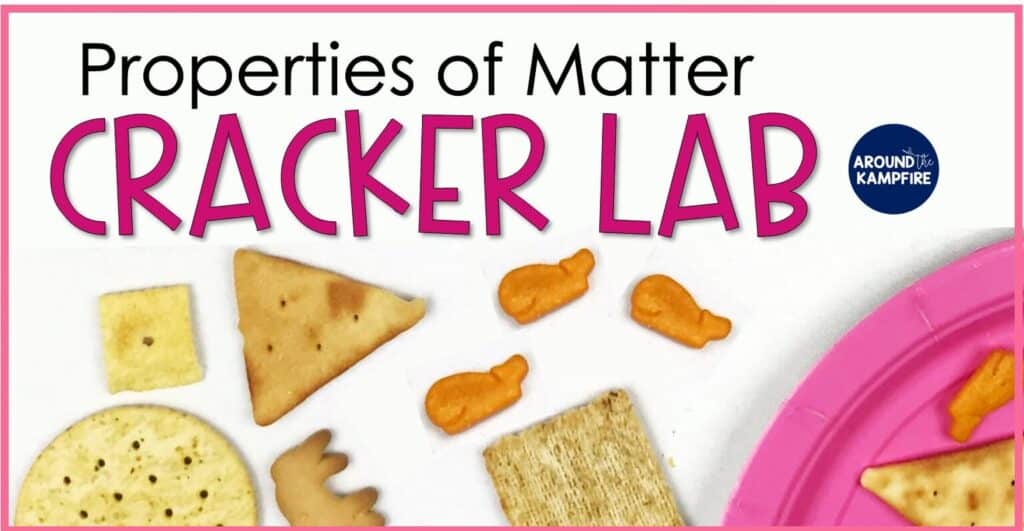
Properties of Matter Cracker Lab
More Properties of Matter Science Experiments
















Leave a Comment